
Is Your Cost-Cutting Introducing Security Risks By The Back Door?
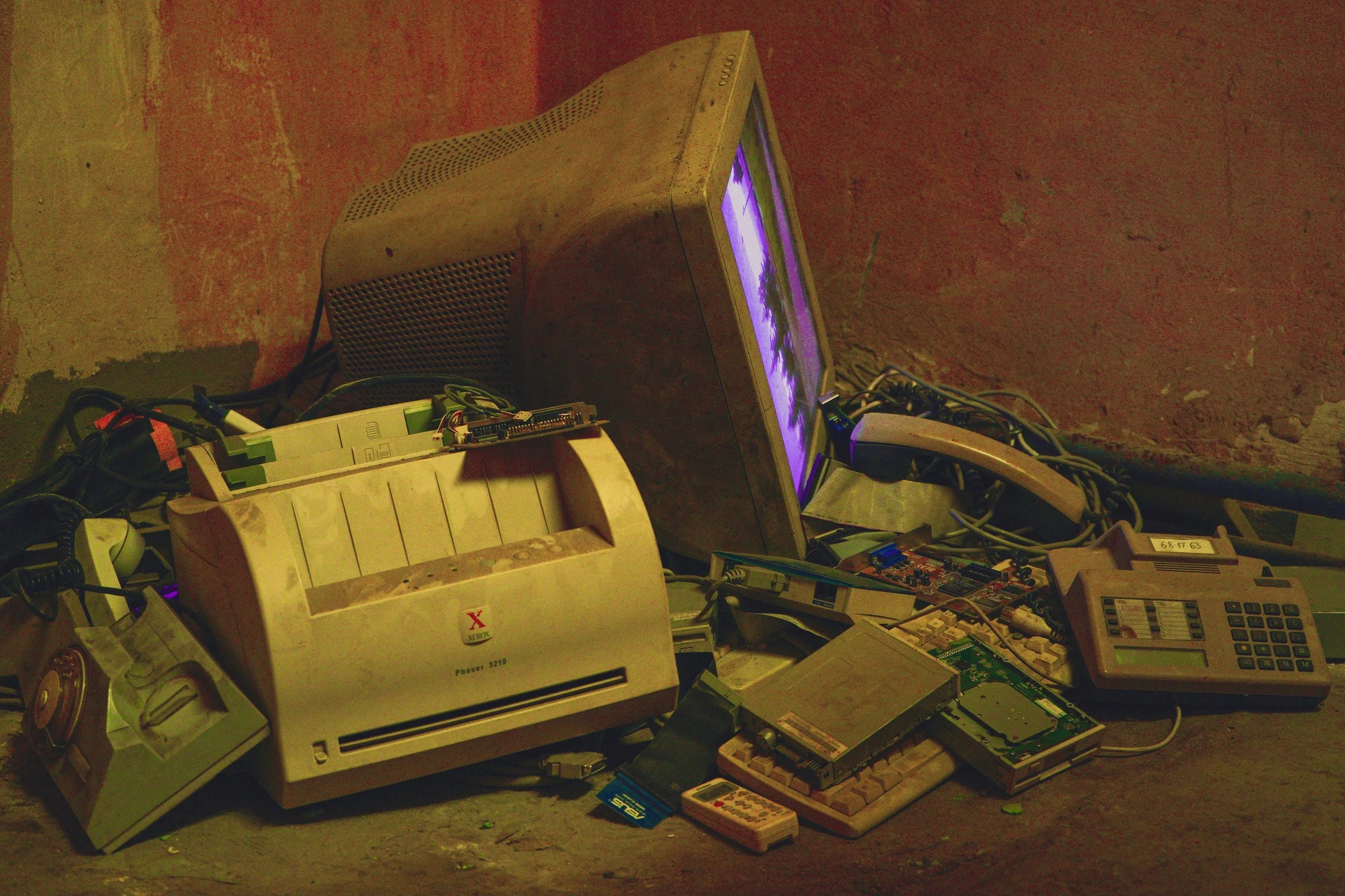
Cost-cutting often leads to IT budgets and headcounts being trimmed.
But I think there’s another way to look at the problem.
Let’s take small businesses in the UK as an example. Simply Business’s Small Business Insights Report for 2026 lays bare their financially straitened position right now:
48% of small business owners say financial and economic uncertainty is a primary barrier to their success
35% are concerned by high running costs like energy
43% expect the UK economy to worsen over the next 12 months
When times are tight for businesses, one of the first things to get kicked down the road is often new capital investment. For big businesses, this might be something as major as an infrastructure change or a brand-new software platform.
But for smaller operations, this could be as simple as running kit a little bit longer, or finding ways to avoid new spending, with all the security vulnerabilities that might introduce:
Running old laptops for an extra year or two - potentially after updates or security patches can be applied
Promoting more BYOD use, including for hybrid workers - potentially introducing vulnerabilities outside of IT’s oversight
Not upgrading software or SaaS platforms to the latest versions (whether security-related or not) - potentially risking older platforms being exploited
It’s easy to see how these decisions are made, because of the cold hard reality of financial necessity. But it might end up doing more harm than good if a major breach occurs as a result - and for SMBs, just one substantial incident can be catastrophic and very difficult to recover from.
So how can SMBs balance security with cost-cutting?
More device leasing and refresh strategies?
Encouraging more training and best security practice among the workforce?
Re-reviewing BYOD/hybrid working policies to close off any vulnerabilities that might have crept in?
I’d love to know your thoughts on the best way forward. Get in touch on LinkedIn and share your views.